
Summer Care Tips for Elderly – Complete Guide for Senior Safety
📑 Table of Contents
Why Summer is Risky for Elderly People Common Summer Health Problems in Seniors Importance of Hydration Ideal Summer Diet for Elderly How to Prevent Heat Stroke Clothing Tips for Summer Maintaining Indoor Temperature Importance of Regular Health Monitoring Medication Management in Summer Skin Care for Seniors Physical Activity Tips Importance of Rest and Sleep Role of Caregivers When to Seek Medical Help ConclusionWhy Summer is Risky for Elderly People
As people age, their body’s ability to regulate temperature decreases. This makes seniors more prone to:
- Heat exhaustion
- Dehydration
- Weakness and dizziness
- Sudden drop in blood pressure
Elderly individuals may not feel thirsty as often, which increases the risk of dehydration.
Common Summer Health Problems in Seniors
- Heat stroke
- Dehydration
- Urinary infections
- Skin rashes
- Fatigue
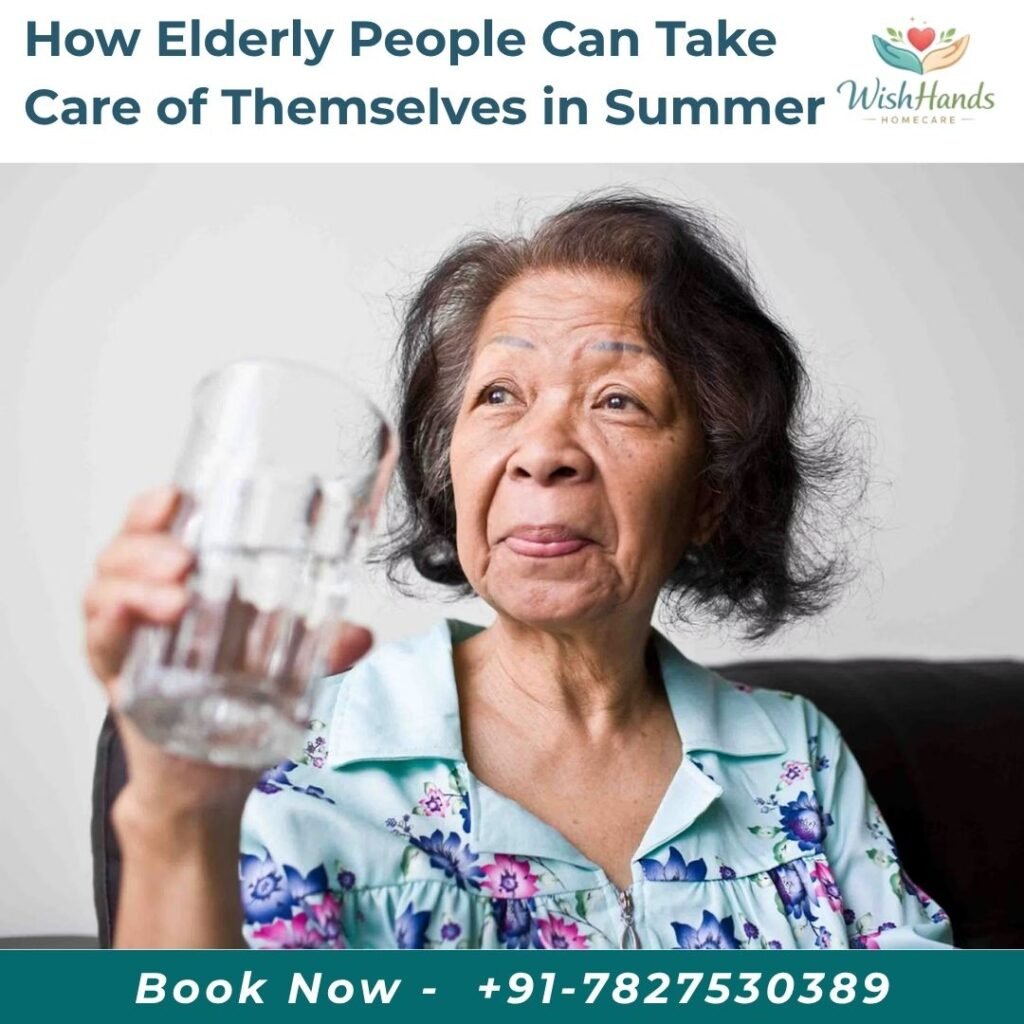
Importance of Hydration
✔ Include coconut water, buttermilk, and fresh juices
✔ Avoid excessive tea and coffee
✔ Monitor urine color for hydration levels
Hydration helps maintain body temperature and overall health.
Ideal Summer Diet for Elderly
- Fresh fruits (watermelon, cucumber, orange)
- Green vegetables
- Light home-cooked meals
- Curd and yogurt
Avoid:
- Oily and spicy food
- Heavy meals
- Junk food
How to Prevent Heat Stroke
✔ Use fans, coolers, or AC
✔ Wear light clothing
✔ Drink fluids regularly
Clothing Tips for Summer
- Wear loose, cotton clothes
- Choose light colors
- Avoid synthetic fabrics
- Use hats or caps
Maintaining Indoor Temperature
- Use curtains to block sunlight
- Keep rooms ventilated
- Use cooling devices
- Avoid overcrowding
Importance of Regular Health Monitoring
- Blood pressure
- Sugar levels
- Body temperature
Medication Management in Summer
- Take medicines on time
- Store properly
- Consult doctor if needed
Skin Care for Seniors in Hot Weather
- Keep skin clean and dry
- Use mild soap
- Apply moisturizer
- Avoid direct sunlight
Physical Activity and Exercise Tips
- Morning or evening walks
- Gentle stretching
- Avoid heavy exercise
Importance of Rest and Sleep
- Sleep in a cool environment
- Maintain schedule
- Avoid stress
Role of Caregivers in Summer Care
- Ensure hydration
- Monitor health
- Assist daily activities
- Provide emotional support
When to Seek Medical Help
- High fever
- Severe dehydration
- Confusion or dizziness
- Unconsciousness
Conclusion
Summer can be challenging for elderly individuals, but with proper care, it is possible to stay safe and healthy.
Simple steps like hydration, proper diet, avoiding heat, and regular monitoring make a big difference.
Families should ensure proper care and support for seniors during hot weather.
❓ FAQ – Summer Care for Elderly
1. Why are elderly more sensitive to heat?
Their body regulates temperature slowly. They feel less thirsty. Risk of dehydration increases.
2. How much water should seniors drink?
At least 7–8 glasses daily. More in hot weather. Depends on health condition.
3. What are signs of dehydration?
Dry mouth and weakness. Dark urine. Dizziness and fatigue.
4. Which fruits are best in summer?
Watermelon, cucumber, orange. They keep body cool. Provide hydration.
5. What should elderly avoid in summer?
Oily and spicy food. Direct sunlight exposure. Dehydration.
6. How to prevent heat stroke?
Stay indoors in peak heat. Drink fluids regularly. Wear light clothes.
7. Can elderly go for walks in summer?
Yes, during morning or evening. Avoid afternoon heat. Keep it light.
8. Is AC safe for seniors?
Yes, if used properly. Maintain moderate temperature. Avoid extreme cooling.
9. What clothes are best?
Cotton and loose clothes. Light colors preferred. Comfortable wear.
10. How often should they eat?
Small and frequent meals. Light food preferred. Avoid heavy meals.
11. Can dehydration be dangerous?
Yes, it can be serious. Leads to weakness. Requires medical attention.
12. Should elderly take ORS?
Yes, if needed. Helps maintain hydration. Consult doctor first.
13. How to keep home cool?
Use curtains and ventilation. Use fans or AC. Avoid heat buildup.
14. Do medicines affect heat tolerance?
Yes, some medicines do. Consult doctor. Monitor side effects.
15. What are heat stroke symptoms?
High fever and confusion. Dizziness and fainting. Requires urgent care.
16. Is bathing important?
Yes, daily bathing helps. Keeps body cool. Maintains hygiene.
17. Can seniors drink cold drinks?
Avoid sugary drinks. Prefer natural fluids. Stay hydrated.
18. How to care for bedridden elderly?
Ensure hydration. Maintain hygiene. Monitor health regularly.
19. Should elderly stay alone in summer?
Not recommended. Need monitoring. Caregiver support helps.
20. When to call a doctor?
If severe symptoms appear. High fever or fainting. Immediate medical help needed.
Website : https://wishhandshomecare.com/
Previous Blog : https://wishhandshomecare.com/best-child-care-caretaker-at-home-services-in-gurgaon/
WhatsApp Us : https://api.whatsapp.com/send?phone=9107827530389